
Ignition Interlock Florida: DUI Laws & 2026 Guide
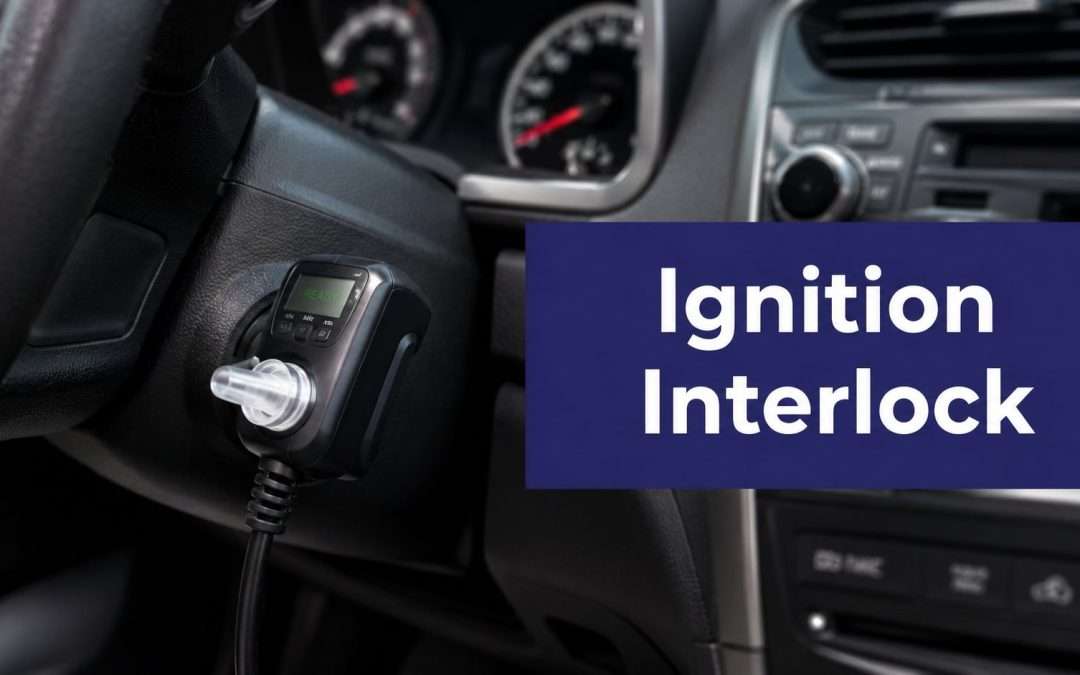
The notice usually lands on a normal day. You open the envelope, scan a few lines, and your stomach drops. Somewhere between the court paperwork, license questions, work schedule, and family responsibilities, you realize you're now dealing with an ignition interlock requirement in Florida.
Most drivers in this position aren't asking abstract legal questions. They want to know what happens tomorrow morning. Can I still get to work? Which car needs the device? What if I use a company vehicle? What if the machine says I failed when I didn't drink? Those are the questions that matter when your ability to drive affects everything else in your life.
An ignition interlock requirement feels invasive because it is. It changes your routine, your budget, and how you plan even simple errands. But it's manageable when you handle it in the right order and keep good records from the beginning.
Facing An Ignition Interlock Requirement In Florida
A lot of people first learn about the requirement when they receive a court order or a notice tied to licensing through the state. They read a few unfamiliar terms, see references to installation, compliance, and monitoring, and immediately worry that one mistake will make everything worse.
That concern is justified. Ignition interlock Florida rules are not hard because the device itself is mysterious. They're hard because the process has moving parts. You may have to deal with the court, a hearing requirement, a service provider, and driver's license restrictions at the same time.
For many drivers, the stress starts before the device is ever installed. They're still trying to understand the fallout from the arrest itself, the court date, and whether they'll qualify to drive at all. If that's where you are, it helps to understand the broader steps after a Florida DUI arrest because the interlock requirement usually sits inside a much bigger process.
Why The Notice Feels So Overwhelming
The letter rarely answers the practical questions clearly. It may tell you that you must install an interlock device, but it often won't explain daily life with it in plain language.
You're left filling in the blanks:
- Vehicle questions: Which car can you drive, and can you switch cars later?
- Work concerns: What happens if your job requires driving?
- Family logistics: How do school pickups, shared vehicles, and household schedules change?
- Fear of violations: What counts as a violation, and what counts as a mistake?
Practical rule: Treat the first notice as the start of a compliance file. Save every document, screenshot every appointment confirmation, and keep every receipt.
The Right Mindset From Day One
The drivers who do best with this process usually take the same approach. They stop guessing. They confirm what's required, install the device through an approved provider, show up for service appointments, and document every issue immediately.
The process is frustrating, but it doesn't have to control your life. A calm, organized game plan usually works better than trying to “figure it out as you go.”
Who Is Required To Install An Ignition Interlock Device
Not every DUI case leads to the same result. In Florida, an ignition interlock device is commonly tied to the nature of the conviction, your prior record, and whether there were aggravating circumstances. The key point is that the requirement usually follows the conviction and the licensing consequences, not just the arrest itself.
Situations That Commonly Trigger The Requirement
A driver may be required to install an ignition interlock device in Florida under circumstances such as:
- Certain first DUI convictions: A first offense can trigger an interlock requirement when the case involves more serious facts, including a higher alleged alcohol level or the presence of a child in the vehicle.
- Repeat DUI convictions: A second or later conviction is much more likely to bring an interlock requirement, and the restrictions are usually stricter.
- Hardship or restricted driving situations: Some drivers encounter interlock requirements as part of getting back on the road with limited driving privileges.
- Other aggravating facts: Depending on how the case is resolved, the requirement can be part of the larger penalty structure tied to the offense.
If you're unsure whether alcohol level allegations affect your case, it helps to understand how blood alcohol level issues are handled in Florida DUI cases.
How To Think About Your Category
Don't start by asking, “What happened to my friend in the same situation?” Start with your own paperwork. Two cases that sound similar can lead to different interlock outcomes because of prior history, how the charge was resolved, and what conditions were attached to reinstatement.
A practical way to sort your situation is to ask these questions:
- Was this your first DUI conviction, or not?
- Did the case include aggravating details?
- Are you trying to restore limited driving privileges?
- Did the court or licensing authority specifically require the device before reinstatement?
If your paperwork is unclear, that's not a small problem. Unclear paperwork turns into missed deadlines, wrong assumptions, and preventable violations.
What Usually Does Not Work
Drivers get into trouble when they rely on casual advice. Friends, coworkers, and even online forums often mix up arrest consequences, court penalties, and license reinstatement rules.
Avoid these common mistakes:
- Assuming first offense means no interlock
- Assuming the requirement applies to one vehicle instead of your driving privilege
- Waiting for “final clarity” before taking action
- Driving first and sorting out compliance later
The safest approach is simple. Read the exact language in your documents, confirm the requirement, and act on it quickly.
Your Step By Step Guide To The Installation Process
Once you know the device is required, the fastest way to reduce stress is to move through the installation process in order. Most of the headaches I see come from people skipping steps, using the wrong provider, or assuming the installation will automatically be reported without follow-up.
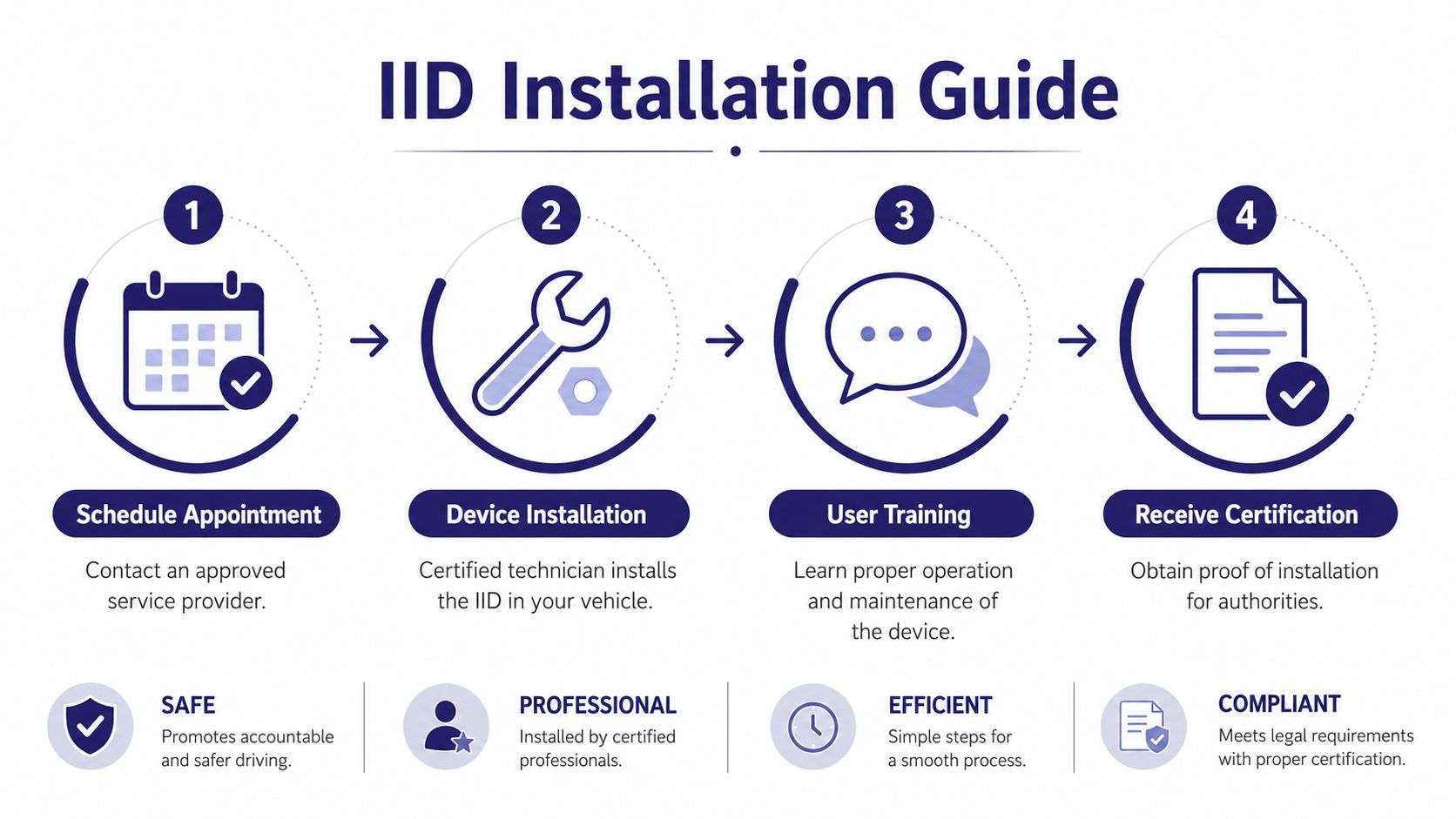
Step One Find An Approved Provider
Start with a Florida-approved ignition interlock vendor. Don't pick a company just because it's closest to home or has the first ad you see. Approval status, office availability, customer support, and appointment access all matter.
Look for a provider that can answer basic questions clearly:
- Can they install on your specific vehicle?
- How soon can they schedule you?
- What documents should you bring?
- How are service appointments handled?
- Who do you call after hours if the device malfunctions?
A provider with weak communication creates avoidable risk. If the office can't explain its process before installation, that's usually a warning sign.
Step Two Gather Your Documents Before The Appointment
Bring every document connected to your driving restriction or interlock requirement. That often includes your order, license-related paperwork, identification, and vehicle information.
Make a separate folder with:
- Your notice or order requiring the IID
- Driver's license or identification
- Vehicle registration
- Proof of insurance if requested
- Any paperwork tied to hardship driving privileges
Don't assume the installer already has everything. They usually don't.
Step Three Understand What Happens During Installation
Installation is usually straightforward, but it still matters to pay attention. A technician installs the unit in the vehicle and tests it. After that, you should receive user instructions on startup, breath samples, retests, lockouts, and service dates.
Before you leave, ask the technician to show you:
- How to provide a proper breath sample
- What the alerts and prompts sound like
- How rolling retests work
- What to do if you get a warning
- How to avoid a missed service issue
Don't drive away until you understand the machine well enough to use it under stress, not just while standing in the parking lot.
Step Four Confirm Reporting And Keep Proof
Many drivers often relax too early. Installation alone is not the finish line. You need to make sure proof of installation is properly submitted or available to the right authority, and you need a copy for yourself.
Keep these records immediately:
- Installation receipt
- Certificate or proof of installation
- Appointment summary
- Provider contact information
- Next service date
Step Five Connect The Device To Your License Status
For some drivers, the interlock device is tied closely to hardship driving privileges. That means the installation is only one part of getting legal access to drive again. If your license status is restricted, suspended, or limited, confirm exactly when you can legally get behind the wheel and under what terms.
That final check matters more than people think. A properly installed device doesn't automatically mean you're cleared to drive in every circumstance.
Understanding The Costs And Ongoing Monitoring
Individuals often focus on the installation appointment because it feels like the big event. In reality, the harder part is the routine that follows. The device becomes part of your schedule, your monthly expenses, and your compliance record.
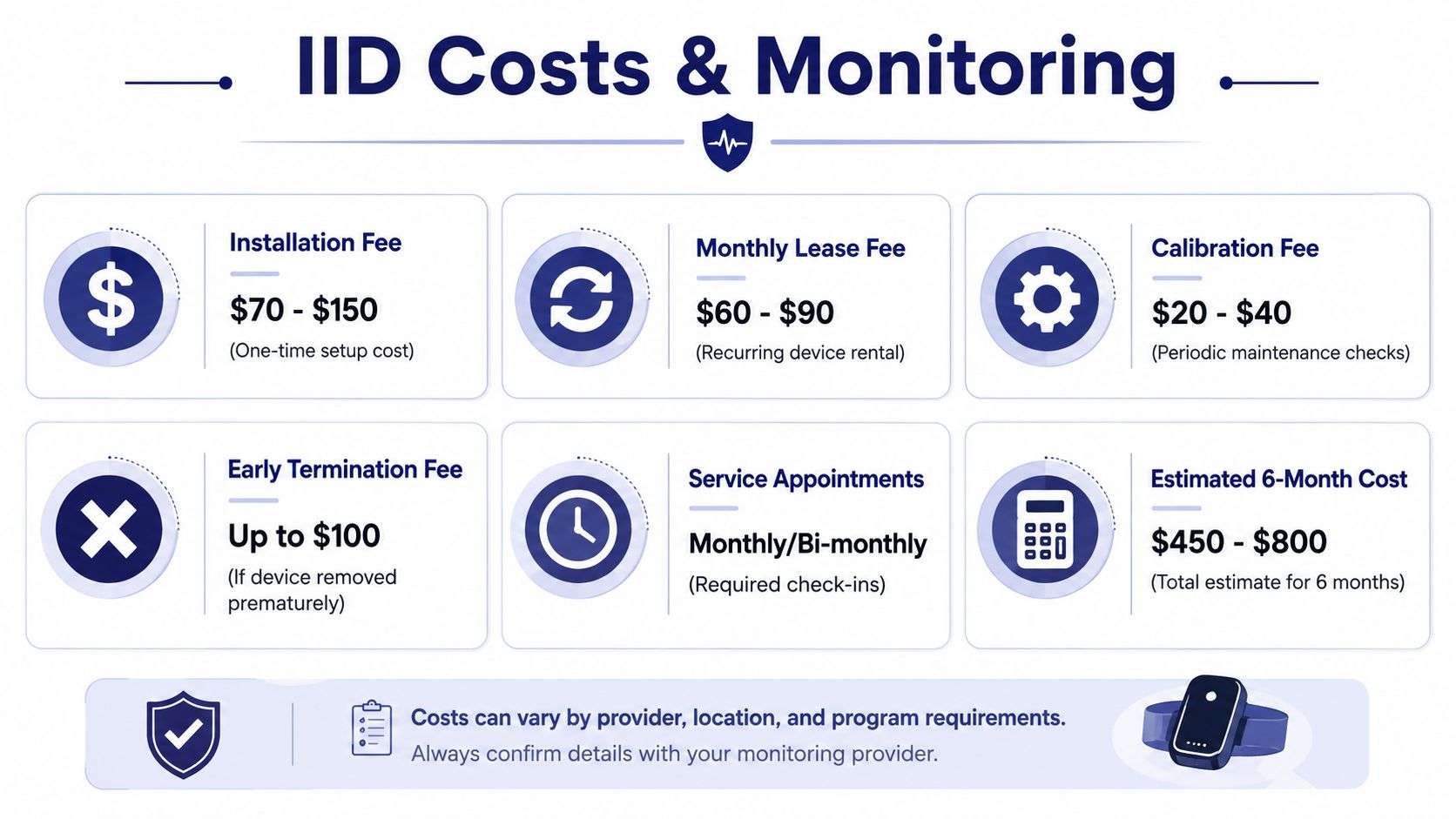
The Real Cost Is Ongoing
You'll usually face more than one charge over the life of the program. That often includes installation, recurring lease or monitoring charges, calibration or service fees, and removal at the end. If there's a missed appointment, emergency service issue, or early removal problem, costs can climb further.
What works best is budgeting for the full program, not just the first invoice.
Common expense categories include:
- Setup charges: The initial installation and activation
- Recurring charges: The ongoing lease or program fee
- Service costs: Routine calibration, downloads, and maintenance visits
- Removal charges: The final appointment to remove the device
- Problem-related charges: Lockouts, missed visits, resets, or special service calls
If you're also dealing with court supervision, it's smart to understand how probation obligations in Florida can overlap with your driving-related requirements.
What Daily Monitoring Actually Looks Like
An ignition interlock device doesn't just test you once when you start the car. It also requires compliance while you're using the vehicle. Most drivers adjust to this over time, but the first few weeks can feel intrusive and awkward.
Day to day, monitoring may involve:
- Startup breath tests
- Rolling retests while driving
- Stored event logs
- Scheduled service visits for data review and maintenance
The device records activity, and that record matters. If the system logs failed tests, missed retests, service issues, or signs of tampering, those entries can create larger problems later.
What Can Lead To A Violation Report
A violation isn't limited to obvious misconduct. Some reports come from careless routines rather than intentional wrongdoing.
Watch out for these patterns:
- Missing a rolling retest because you ignored or didn't hear the prompt
- Skipping a required service appointment
- Driving a vehicle without the required device installed
- Allowing battery problems or mechanical issues to interfere without prompt reporting
- Trying to bypass the device or having someone else provide a sample
The system doesn't always distinguish between a bad decision and poor preparation. Your records and your quick response often make the difference.
What Usually Works Best
Drivers are far less likely to run into trouble when they build habits around the device:
- Leave extra time before work
- Keep provider contact information in your phone and glove box
- Track every service date on a calendar
- Avoid eating, drinking, or using strong mouth products right before testing
- Save every receipt and service report
The device is manageable when your routine is disciplined. It becomes risky when you treat it casually.
Common Problems With Ignition Interlock Devices
Even careful drivers run into problems. That's one reason the ignition interlock Florida process feels so personal. You're not just following a rule. You're dealing with a machine that can interrupt a normal day at the worst possible moment.
False Positives After Food Drink Or Mouthwash
A common scenario goes like this. You leave work, use mouthwash, chew something on the way to your car, and the device gives you a failed reading. Panic sets in immediately.
The right move is to stay calm and act in order:
- Don't keep blowing into the device in frustration
- Rinse your mouth with water if appropriate
- Wait a short period before retesting if the instructions allow it
- Follow the provider's guidance exactly
- Document what happened as soon as you can
Write down the time, what you consumed, and what the device displayed. If the reading seems inconsistent, contact the provider the same day.
A false positive becomes more defensible when you report it promptly and keep notes. It becomes harder to explain when you say nothing and hope it disappears.
Missed Rolling Retests
Another common problem happens when a driver starts the car correctly, then misses a retest prompt while parked, distracted, or briefly outside the vehicle. People often assume a missed retest will be treated like a harmless mistake. That's not a safe assumption.
If that happens:
- Pull over safely if you're driving
- Follow the device prompts
- Call the provider for instructions
- Record where you were and why the retest was missed
- Keep any service paperwork tied to the incident
This issue matters because a log entry doesn't always tell the full story by itself. Your explanation and your speed in reporting the issue may matter later.
Battery And Mechanical Problems
Interlock devices can interact badly with weak batteries, cars that sit unused, or older electrical systems. A dead battery can trigger lockout problems, missed tests, or emergency service calls.
What helps:
- Drive the vehicle regularly when appropriate
- Address battery weakness before it becomes a device problem
- Ask the provider what to do if the battery dies
- Never disconnect or tamper with the system on your own
Some drivers create a bigger problem by trying to “fix” the issue themselves. That's a mistake. If the device is involved, let the provider direct the next step.
Borrowed Cars And License Trouble
One of the most misunderstood parts of the requirement is that the device is tied to your ability to drive legally, not just the car you happen to own. If you're restricted, driving another vehicle without the required setup can create a separate legal problem. That can also overlap with the serious consequences of driving with a suspended license in Florida.
When in doubt, don't assume a borrowed car solves your problem. Confirm whether you can legally operate it before you get behind the wheel.
Completing The Program And Removing The Device
The end of the interlock period is a major milestone, but drivers still make mistakes here. The most common one is assuming the device can come out the moment they believe their time is up. Removal has to be handled formally.
Your Final Checklist
Before scheduling removal, make sure you've covered the essentials:
- Complete the required compliance period
- Attend all service appointments
- Resolve any outstanding lockouts or provider issues
- Make sure your reporting history is in good standing
- Confirm you're cleared for removal before authorizing it
A clean finish usually depends on patience. If there's a pending review or unresolved issue, early removal can create a new headache right at the end.
What To Request From The Provider
Ask the provider what final paperwork or compliance confirmation is available. Keep copies of anything showing successful completion, service history, and removal authorization.
Your file should include:
- Final account paperwork
- Any completion or compliance statement
- Removal receipt
- Records showing the device was officially taken out
Keep your interlock records even after removal. Questions about compliance sometimes come up later than people expect.
Restoring Full Driving Privileges
For some drivers, removing the device and restoring unrestricted driving privileges are related, but they are not always the same step. Confirm that your license status has officially changed before you assume the restriction is gone.
That last check matters. Many drivers feel relief at removal and stop paying attention to the administrative side. Finish the paperwork. Confirm your status. Then move forward.
How A Florida DUI Attorney Can Guide You
The ignition interlock issue doesn't start with the device. It starts with the DUI case that created the risk in the first place. That's why smart planning happens early, not after the installation order lands on your kitchen table.
A Florida DUI attorney looks at the entire chain of consequences. The stop, the arrest, the testing, the license exposure, the court case, and the practical impact on your daily life all connect. A strong defense can affect how the case is resolved, and that can shape whether you face interlock consequences at all or how difficult the reinstatement process becomes.

Why Early Legal Advice Matters
By the time many people ask for help, they've already made avoidable mistakes. They missed a deadline. They assumed they could drive because the device was installed. They used the wrong vehicle. They failed to document a problem that later looked like a violation.
A lawyer who handles Florida DUI defense matters can help you sort out what's happening in court and what's happening with your driving privileges so you don't treat them as separate problems when they aren't.
What Good Guidance Looks Like
Good legal guidance is not just courtroom argument. It's a practical game plan.
That usually means help with things like:
- Reviewing the case for defenses that may affect the outcome
- Explaining the difference between court penalties and license consequences
- Identifying deadlines and compliance risks early
- Helping you avoid missteps that can extend the disruption
- Giving you a clear sequence for what to do next
The best outcome is always to protect the case from becoming worse than it already is. But even when an interlock requirement is unavoidable, clear legal guidance can make the process far more manageable.
The Human Value Of Having A Plan
Individuals don't need more fear. They need clarity. They need someone to tell them what matters first, what can wait, which mistakes are serious, and how to stay compliant without letting the process wreck their job and family routine.
That's what a real game plan does. It turns a fog of notices, appointments, restrictions, and anxiety into a set of decisions you can handle.
If you're dealing with an ignition interlock requirement after a DUI, Oldham Law PLLC can help you build a practical game plan for the court case, the license issues, and the steps needed to protect your ability to move forward.
